Reflexology For Sleep: How Does It Help?
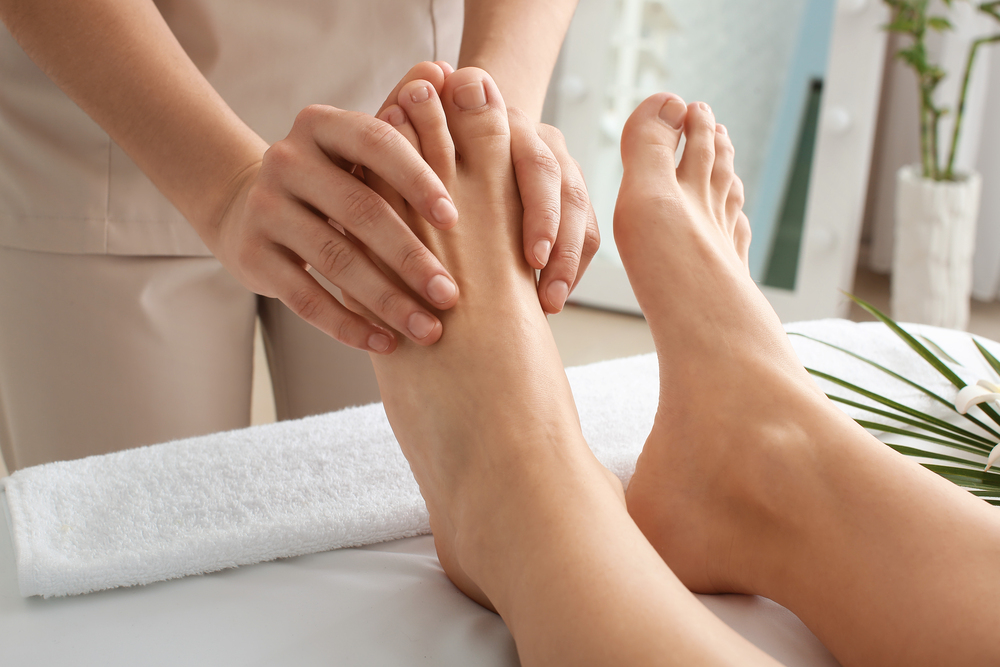
Nighttime rest shapes how the body heals, thinks, and responds to stress. When sleep feels shallow or interrupted, even small daily demands feel heavier. Reflexology for sleep draws attention to the nervous system through intentional touch, encouraging the body to shift away from constant alertness.
Rooted in ancient practices and refined through modern wellness philosophy, reflexology focuses on specific points in the feet, hands, and ears that reflect internal balance.
In a thoughtfully designed spa setting, this therapeutic approach speaks quietly to the body inviting deeper rest without chemicals or artificial stimulation.
Why Sleep Becomes Difficult in Modern Life
Sleep disruption rarely appears without reason. Long work hours, screen exposure, emotional strain, and irregular routines keep the nervous system in a heightened state. Even after lying down, the mind may continue to race, and muscles often hold tension built throughout the day. Over time, this pattern reshapes how the body responds to nightfall.
Poor sleep affects memory, emotional regulation, metabolism, and immune response. One restless night changes focus and reaction time the following day. Repeated disturbance alters appetite cues and increases reliance on stimulants.
While lifestyle adjustments such as light control, sound reduction, and consistent schedules help, many people still search for gentler methods that address the body directly.
What Reflexology Really Is
Reflexology traces its origins back more than five thousand years, with early records found in Chinese and Egyptian cultures. The practice rests on the idea that the body appears as a mirrored map across the feet, hands, and ears. Each zone corresponds to organs, glands, and systems within the body.
Unlike general massage, reflexology applies focused pressure to defined reflex points. The touch remains deliberate and rhythmic rather than broad or muscular. This precision communicates with nerve pathways that influence circulation, muscle tone, and neurological response. The result often feels deeply calming, even though the pressure itself remains modest.
Many clients describe sensations such as warmth, tingling, or a gentle heaviness in the limbs. These responses reflect the nervous system shifting away from stress dominance and toward parasympathetic activity, the state associated with rest and digestion.
The Connection Between Reflexology and the Nervous System
The nervous system controls sleep onset and depth. When the body perceives safety and calm, heart rate slows, breathing deepens, and muscle tension softens. Reflexology activates this response through sensory input.
Research has shown that reflexology stimulates the parasympathetic nervous system. This branch of the nervous system lowers cortisol levels and quiets mental overactivity. As stress hormones recede, the body gains space to transition into sleep more naturally.
Reflexology sessions often feel similar to meditation in physical form. The steady pressure and intentional pace draw attention away from racing thoughts and toward bodily awareness. This shift plays a meaningful role in preparing the mind and body for rest.
Reflex Points Linked to Sleep Quality
Within reflexology, certain areas of the foot receive particular attention during sleep-focused sessions. One commonly referenced area sits near the base of the foot and often earns the name “insomnia point.” In individuals experiencing sleep difficulty, this area frequently feels tender upon pressure.
The feet contain nearly fifteen thousand nerve endings, making them a powerful gateway to the nervous system. Gentle stimulation of these nerves sends calming signals throughout the body. This process reduces overall arousal and invites relaxation without forcing sedation.
Practitioners also work reflex points associated with the spine, adrenal glands, and diaphragm. Together, these areas influence posture, stress response, and breathing rhythm. When these systems settle, the body often follows with deeper rest.
Reflexology Compared to Other Natural Sleep Approaches
Natural sleep remedies take many forms. Aromatherapy, yoga, acupuncture, sound therapy, and breathwork all aim to reduce stress and restore rhythm. Reflexology differs through direct tactile engagement.
Touch carries emotional and physiological significance. Human contact can release stored tension and emotional residue without verbal processing. During reflexology, this contact remains focused and intentional, guiding awareness inward.
Some people feel energized after a session due to increased circulation and nerve activation. Others feel deeply relaxed and ready for rest. Individual response varies, which reflects how each nervous system adapts to stimulation. Simple grounding techniques, such as rinsing feet or hands with cool water later in the evening, can help settle heightened energy before bedtime.
At-Home Reflexology Practices for Better Sleep
Professional sessions offer depth and precision, yet simple reflexology practices at home can still influence sleep quality. Self-care begins with awareness rather than force.
Using a reflexology foot map helps identify key zones related to sleep and relaxation. Gentle thumb pressure applied in slow, circular motions allows the nervous system to respond without overwhelm. Breathing remains central during this process. Slow inhalations and extended exhalations amplify the calming effect.
Pressure does not need intensity to feel effective. Sensitivity and presence matter more than strength. When practiced consistently, these brief rituals create a transition between the demands of the day and the stillness of night.
Why Reflexology Fits Within Holistic Sleep Care
Sleep does not exist in isolation. Emotional health, physical comfort, and mental clarity all influence rest. Reflexology addresses these layers simultaneously through touch and nervous system engagement.
By focusing on reflex points connected to stress regulation, reflexology helps release physical tension stored throughout the body. This release often eases mental agitation as well. The experience feels grounding rather than stimulating, making it suitable for evening routines.
Unlike pharmaceutical options, reflexology works with the body’s existing rhythms. It encourages the body to remember how rest feels rather than imposing artificial sleep signals. This approach aligns well with individuals seeking balance rather than quick fixes.
Reflexology as Part of a Luxury Wellness Experience
Ambient lighting, temperature control, and quiet surroundings enhance the nervous system response. The body relaxes more quickly when external stimuli feel intentional and calming.
At Spa Réveil, reflexology integrates seamlessly with other therapeutic experiences. Many guests choose to pair reflexology with massage therapy for a layered approach to relaxation. The combination allows muscular tension to soften while reflex points guide the nervous system toward rest.
Luxury wellness does not rely on excess. It centers on precision, comfort, and attentiveness. Reflexology reflects these values through its subtle yet profound effects.
How We Approach Reflexology at Spa Réveil
At Spa Réveil, reflexology reflects our philosophy of intentional wellness. Each session begins with attentiveness to the guest’s current state, allowing the experience to unfold naturally. We focus on creating calm through thoughtful touch, quiet surroundings, and skilled technique. Our goal centers on helping guests reconnect with rest as a felt experience.
To begin your journey toward deeper sleep, contact us and allow us to welcome you into our sanctuary.

Address11410 Century Oaks Terrace | Suite 140 | Austin, Texas 78758 View Map (on Esperanza Crossing across from Zara)
Join Our Mailing List
Receive exciting offers and updates from Spa Réveil.